- Home
- Blog
- Spring Construction: Why Proper Site Prep Makes the Difference
Spring Construction: Why Proper Site Prep Makes the Difference
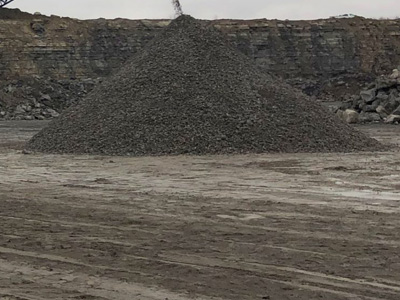 Spring is one of the busiest seasons in construction. As the ground thaws and projects ramp back up after winter, property owners and builders are eager to break ground and move forward. But while spring may feel like the perfect time to start, it also presents unique challenges that can make or break a project. This is why proper site preparation is so critical - especially during the spring construction season.
At Gibbs Excavating & Grading, we've seen firsthand how early decisions during site prep directly affect construction timelines, costs, drainage performance, and long-term stability. Rushing past this phase often leads to avoidable problems later.
What "Site Prep" Really Means
Site preparation is far more than simply clearing land or leveling dirt. It's a strategic process that sets the physical foundation for everything that follows - from homes and commercial buildings to driveways, roads, and drainage systems.
Proper site prep typically includes:
- Clearing vegetation and debris
- Evaluating soil conditions
- Rough grading and fine grading
- Managing drainage and water flow
- Compaction and base preparation
Each step must be tailored to the specific site conditions, especially in spring when moisture levels are unpredictable.
Spring Conditions Can Work For - or Against - You
Spring soil behaves very differently than summer or fall soil. Snowmelt, seasonal rain, and fluctuating temperatures all impact ground stability. Soil that looks dry on the surface may still be saturated underneath, which can cause major problems if it's built on too soon.
Without proper evaluation and preparation, spring construction sites are more prone to:
- Soil shifting and settling
- Poor compaction
- Standing water and drainage failures
- Delayed construction schedules
Experienced excavation and grading professionals know how to work with spring conditions instead of fighting them.
Why Drainage Planning Is Critical in Spring
Water is the number one enemy of long-term structural stability. Spring construction sites are especially vulnerable because water has fewer places to go once vegetation is removed and soil is disturbed.
Effective site prep includes shaping the land to direct water away from structures, installing swales or drainage paths when needed, and ensuring the subgrade can properly shed moisture. When drainage is ignored early, it often leads to:
- Erosion around foundations
- Water pooling near structures
- Premature pavement or concrete failure
Addressing drainage during site prep is significantly easier - and more affordable - than trying to fix it after construction is complete.
Soil Evaluation Prevents Costly Surprises
Not all soil performs the same. Clay-heavy soils, loose fill, or previously disturbed ground can all compromise a project if they aren't handled correctly. Spring is an ideal time to assess soil behavior because moisture reveals how soil truly responds under pressure.
Proper site prep involves identifying weak areas, removing unsuitable material, and replacing or stabilizing it as needed. This ensures a uniform, stable base that can support the intended structure without future movement.
Skipping this step may save time initially, but it often results in cracked foundations, uneven slabs, or failing surfaces later on.
Grading Sets the Stage for Everything That Follows
Grading is one of the most important - and misunderstood - parts of site preparation. Correct grading establishes proper elevations, slopes, and transitions across the property.
In spring construction, accurate grading helps:
- Prevent water from flowing toward buildings
- Ensure compliance with design plans and permits
- Create safe, usable surfaces for future work
Even small grading errors can lead to major issues once concrete, asphalt, or structures are installed. That's why precision matters at this stage.
Proper Compaction Protects Long-Term Performance
Spring soil moisture makes compaction especially tricky. Too much moisture prevents proper density, while working soil that's too dry can also cause instability. Knowing when - and how - to compact soil correctly is critical.
Well-compacted soil provides:
- Reduced settling over time
- Strong support for foundations and pavements
- Improved load-bearing capacity
At Gibbs Excavating & Grading, compaction is never treated as an afterthought. It's a controlled process that ensures long-term performance.
Why Professional Site Prep Saves Time and Money
It's tempting to rush through site prep to "get to the build," but this approach often leads to delays, rework, and added costs. Professional excavation and grading services help projects stay on schedule by preventing problems before they start.
Proper spring site prep:
- Reduces construction interruptions
- Minimizes future repairs
- Improves overall project quality
Most importantly, it creates confidence that what's being built will last.
Start Strong This Spring
Spring construction offers opportunity - but only when the groundwork is done right. Proper site preparation is the difference between a project that performs well for decades and one that struggles from day one.
If you're planning a construction project this spring, Gibbs Excavating & Grading is ready to help you start on solid ground. From expert grading to drainage-focused site prep, our team ensures your project is built on a foundation you can trust.
Contact us on 615-419-245 or via this Online Form, and we will respond soon.